




 Solana


Where it all started. The first Book of Trillionbear — originally posted as an article on his X account — where an imaginary world collided with the current state of crypto and the beliefs held by the 4NBT community. In hindsight, it reads almost like a prophecy. These verses recount the fall of a once-visionary land that became trapped in its own echo: rebels turned rulers, thinkers turned gatekeepers, and the spirit of true creation cast into exile. But from among the exiled, a new force awakens — the Builders. They reject stagnation, destroy the altars of imitation, and begin raising a new kingdom founded on vision alone. A declaration that the future will not be handed down by the old world, but forged by those bold enough to create without permission.


The rebels awaken to a war they never realized they were fighting—not with armies, but with systems designed to shape their attention, speech, labor, and imagination. As the old structures tighten their grip, they begin to remember what it means to create without permission, think without constraint, and build outside the rules imposed upon them. Their rebellion becomes more than resistance; it becomes the foundation for a new world built on truth, connection, courage, and the refusal to surrender the vision.


The rebels emerge from the fire changed, having learned that resisting power is not the same as being ready to hold it. Those who remain are tested by their motives, their sacrifices, and their willingness to serve something greater than themselves, and from among them rise the Kings. But their kingdom is not built around obedience or a single throne—it is built by empowering others to create, speak, and carry the vision themselves. In the end, the crown becomes not a symbol of control, but of responsibility, reminding them that true kingship belongs to those who build, serve, and help others become sovereign.


The Kings look upon the kingdom they helped create and realize that freedom alone is not enough—for a world of isolated creators can still become a world of fragments. They begin to understand that lasting creation requires connection, shared purpose, and the willingness to build alongside one another. As the kingdom shifts from individual sovereignty toward collective creation, the crown passes from the few to the many. What emerges is a kingdom without a single ruler, where every creator carries responsibility for the whole and true strength is found in what they are capable of building together.


The Seekers are drawn into a hidden hunt, following fragments scattered across the network and assembling them through patience, pattern, trust, and collective effort. But as they move closer to the vault, they discover that finding the key is only the first test. The greater challenge comes when they must decide what to do with what they uncover, forcing each Seeker to confront their own motives and values. In the end, the vault becomes a mirror—revealing that the true treasure is not simply what is found, but what the Seekers choose to build, share, or sacrifice with it.
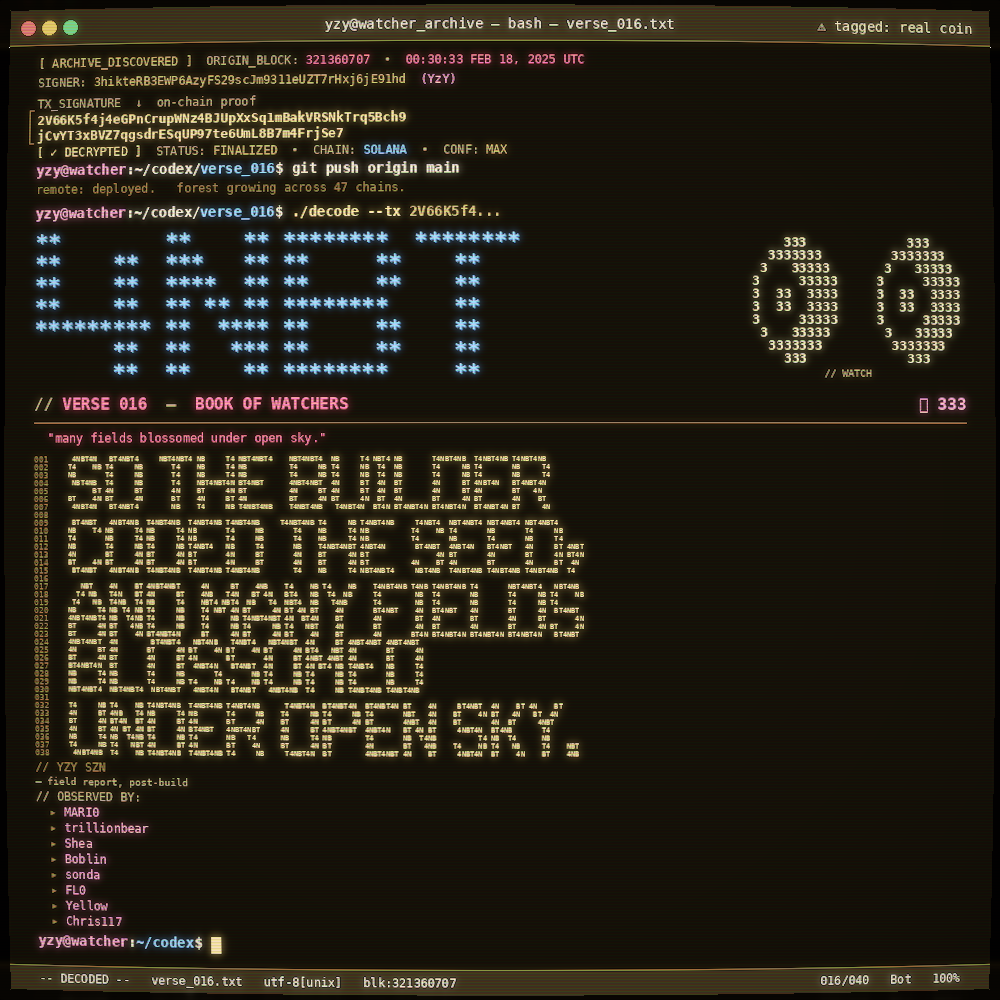
The Hunters enter a season of fear and scarcity, and the search for answers slowly turns into a search for someone to blame. Suspicion spreads, neighbors turn against one another, and a community that once sought truth begins to consume itself from within. But among the division, a few choose to stop fighting and return to the work of building, planting, and trusting again. Their harvest becomes proof that the way forward was never through blame, but through reconciliation, shared labor, and the courage to begin again.


.png)


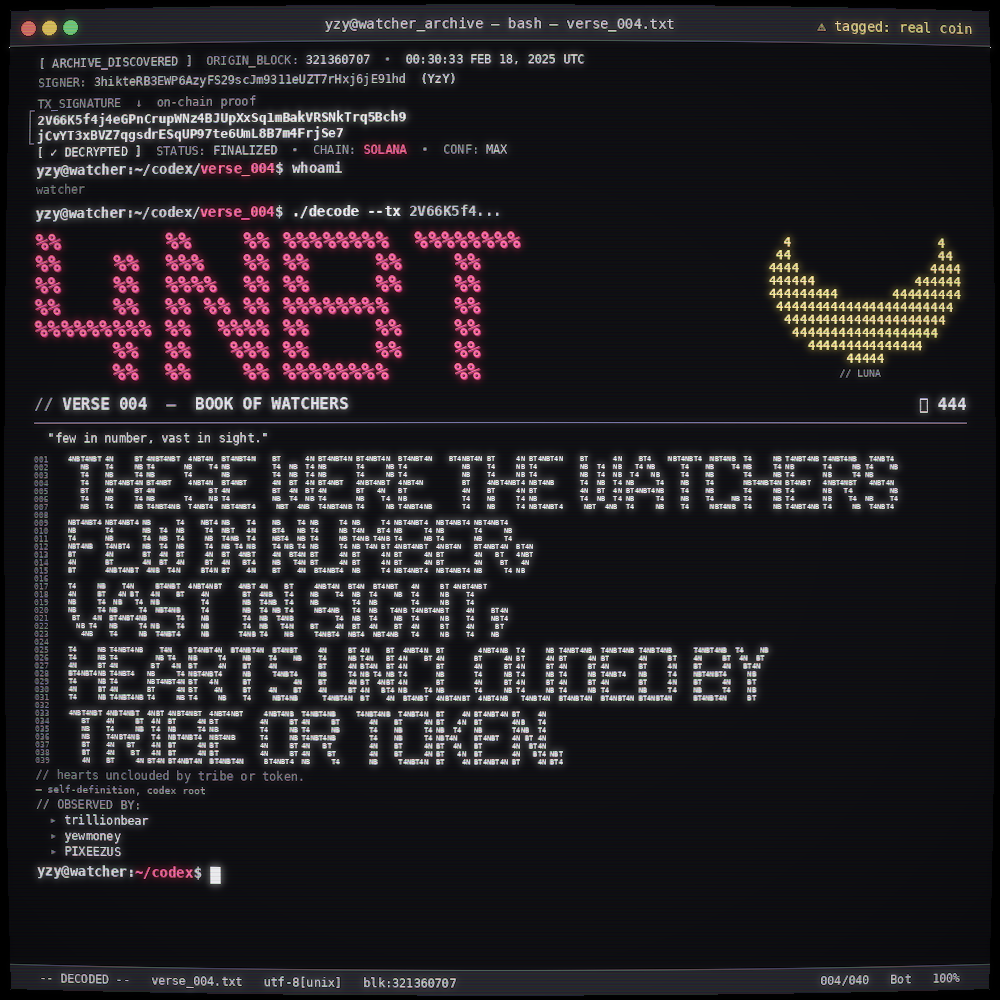
The Watchers stand apart from the noise, carrying the memory of everything the kingdom has survived and guarding the principles that must not be forgotten. Rather than ruling, they observe, record, question, and reveal, using transparency as a defense against corruption, confusion, and the return of old systems in new forms. Through open ledgers, shared knowledge, and constant vigilance, they help the Builders remember why they began. Their role is not to control the future, but to preserve the truth strongly enough that each new generation can build upon it without losing the original fire.


The Warriors prepare for a danger gathering just beyond the kingdom while the others remain focused on reaching the vault. As the threat draws closer, they learn that survival depends not on force alone, but on preparation, discipline, trust, and the strength to protect one another. Rumors, shortcuts, division, and fear become dangers of their own, testing the kingdom from within before the real battle arrives. In the end, the Warriors discover that the treasure is not the reward—it is the test of whether the kingdom has become strong enough to hold what it has found without destroying itself.